下台
- 基础释义 纠错
- 释义
(下舞台或讲台) step down from the stage or platform;resign;resign one's right [power];(多用于否定式,比喻摆脱困境) get out of a predicament or an embarrassing situation;drop the reins of government ;

- 近/反义词
- 近义词
- 反义词
- 双语例句 更多例句
-
1、
-
2、
-
3、
-
4、
He must recognise by now that he will be a one-term, increasingly lame duck president.
他现在应该已经明白,自己这个总统一任就会下台,而且权力将越来越小。
来源:《柯林斯高阶英汉双解学习词典》 -
5、
The ballerina bobbed a curtsy ( to the audience ) before leaving the stage.
那个芭蕾舞女演员在下台之前 ( 向观众 ) 行屈膝礼.
来源:词典精选例句 -
6、
-
7、
-
8、
The president has gone along with the hardliners lest they be tempted to oust him.
总统同意了强硬派的意见,以免他们产生赶他下台的念头。
来源:《柯林斯高阶英汉双解学习词典》 -
9、
The President said he was willing to stand aside if that would stop the killing.
总统说,如果他下台能让杀戮停止的话,他愿意这样做。
来源:《柯林斯高阶英汉双解学习词典》 -
10、
Indeed, none of the principal leaders survived 1974 in office.
实际上, 1974年尚未结束,那些主要的领导人就全部下台了.
来源:词典精选例句 -
11、
-
12、
-
13、
Four days later, the despised leader finally stood down, just 17 days after taking office.
4天后,这位遭到鄙视的领导人终于下台了,离他就职只有17天。
来源:《柯林斯高阶英汉双解学习词典》 -
14、
-
15、
- 相关阅读
-
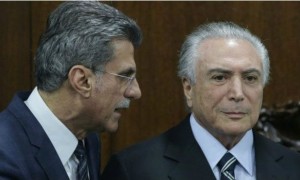
巴西临时政府又一短命部长因录音丑闻下台
简答网 · 双语新闻
-
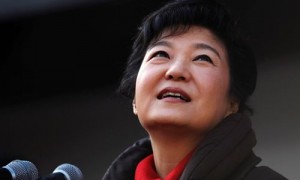
朴槿惠下台!宪法法庭表决通过弹劾
简答网 · 双语新闻
-
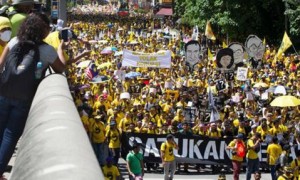
马来西亚抗议者要求首相纳吉布下台
简答网 · 双语新闻
-
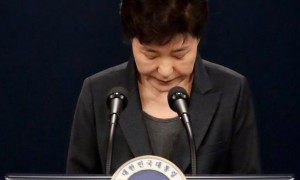
百万民众要求下台、检方传唤问话 朴槿惠的政治生命到头了吗?
简答网 · 双语新闻
-
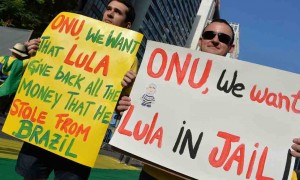
奥运开幕前5天巴西人仍在游行,要求总统下台
简答网 · 双语新闻
-
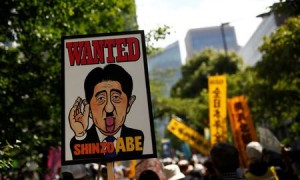
日本东京4万民众举行示威 要求日本首相安倍下台
简答网 · 双语新闻